DESIGNING A PATIENT-CENTERED GYNECOLOGY BRAND FOCUSED ON CLARITY, COMFORT, AND TRUST.
Introduction
Clinica Dr. Matei is a small gynecology practice in Pucioasa, Romania. Before this project, the clinic had no visual identity, no website, and no digital footprint capable of supporting modern patient expectations.
The challenge was to build a complete brand from scratch and design a website that enables women to access essential information quickly (services, prices, schedule, contact) while reinforcing credibility and emotional safety.
My role
I led the entire end-to-end process: stakeholder interviews, research, brand strategy, visual identity design, UX strategy, IA creation, content structuring, UX writing, UI development and full WordPress implementation using Elementor.
The project covered both brand creation and digital product development, structured into four key workstreams:
Brand Foundations
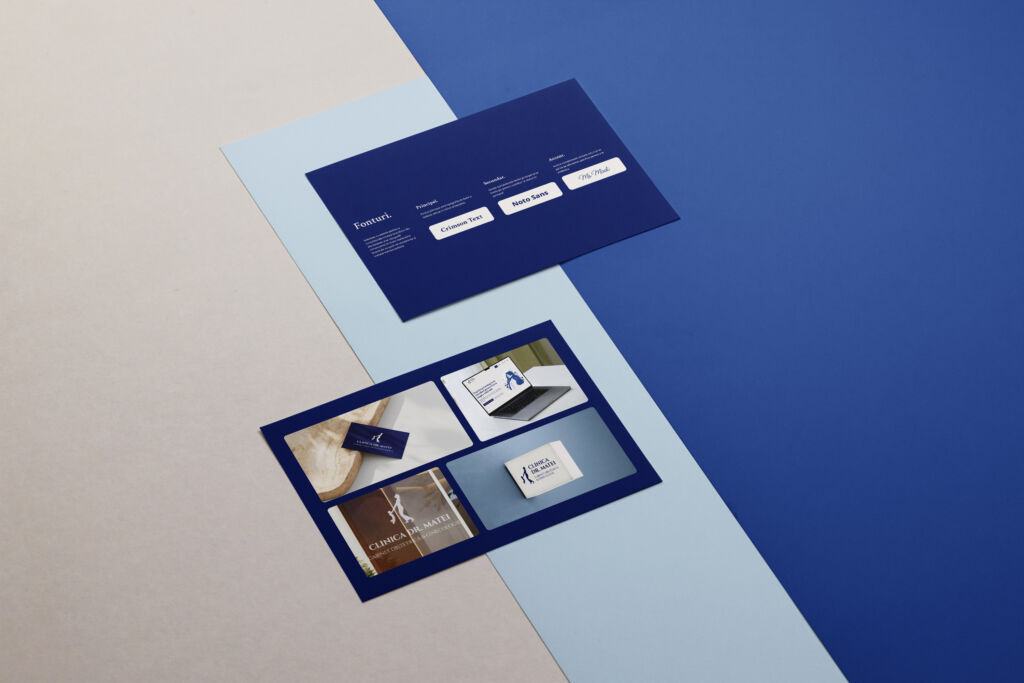
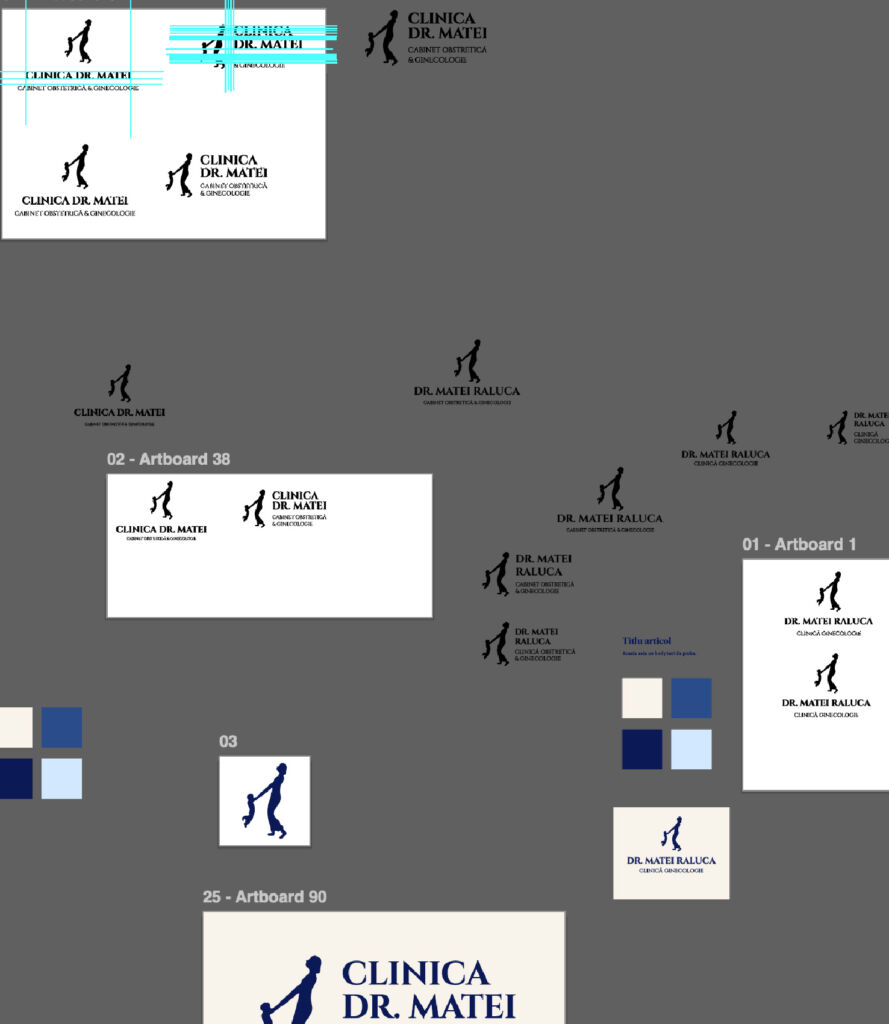
Defined the clinic’s values and tone of voice, then translated the mother-and-child sculpture into a modern visual identity, including logomark, typography and color system.
Content & Information Architecture
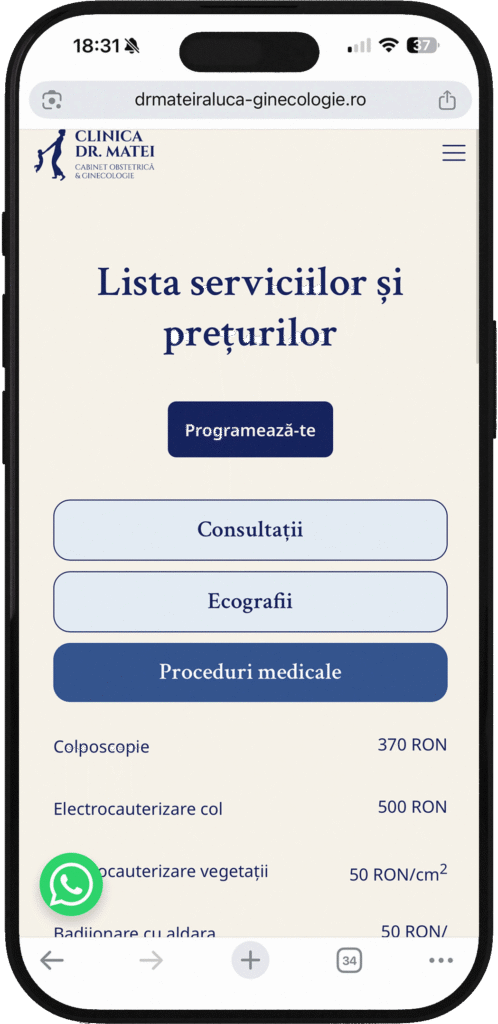
Mapped all essential patient information and reorganized services and pricing into clear categories using card-sorting insights, creating a simple and intuitive IA.
UX/UI & Website Development
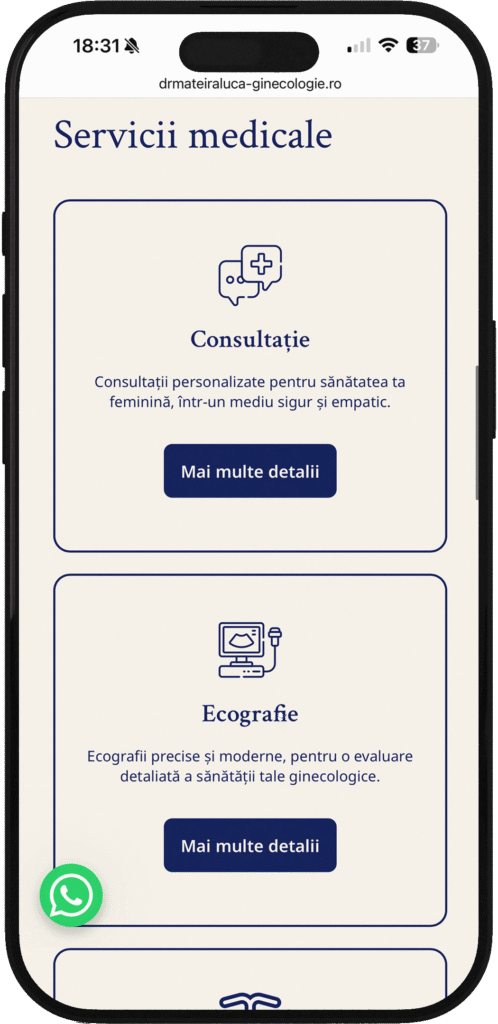
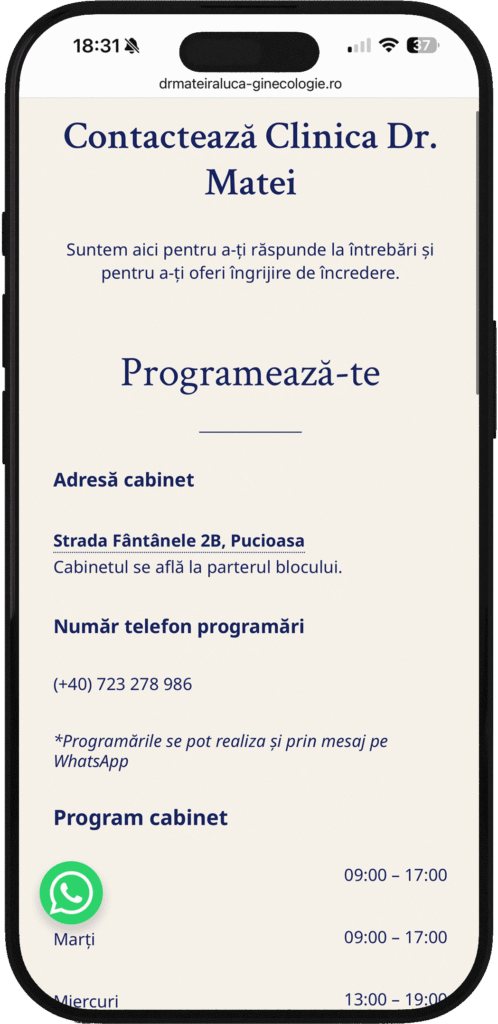
Planned page structure and user flows, then implemented the responsive interface directly in WordPress with Elementor, ensuring clarity, accessibility and consistent alignment with the new brand.
CMS & Long-Term Scalability
Configured an easy-to-use dashboard for client-side updates and prepared the structure for a future medical blog, enabling flexible content expansion.
Problem Discovery
The clinic had no online existence.
Patients relied exclusively on community knowledge or unofficial information scattered across social media comments. This created confusion regarding services, prices, scheduling, and the legitimacy of the practice.
New patients struggled to verify the clinic, and returning patients lacked a clear reference for updates.
The absence of a structured information source placed unnecessary pressure on the clinic, which received repeated calls for basic questions that could have been addressed digitally.
Solution
I created a complete brand and a highly functional website that enables fast information retrieval and reduces anxiety.
The brand identity is rooted in an emotionally meaningful sculpture representing the connection between mother and child, translated into a clean, modern logomark.
The website architecture prioritizes transparency: clear categories of services, a structured pricing list, visible schedule, and straightforward contact options.
The platform was implemented in WordPress with Elementor to provide an intuitive dashboard for future updates.
The Process
Discovery
The project began with a structured interview with the stakeholder to identify operational challenges, patient frustrations, and business objectives.
The discussions revealed critical issues:
👉 absence of online validation, 👉 lack of structured content, 👉 limited visibility in the local community, 👉 recurring patient questions due to missing information
I prepared a research style question set to uncover expectations, constraints, future goals, and the values that should guide the brand.
Additional follow up conversations clarified the clinic philosophy and the symbolic elements important to the doctor. This informed the conceptual direction of the brand.
Benchmarking
Competitor clinics varied significantly in quality.
Many suffered from overwhelming terminology, inconsistent navigation, and unclear service descriptions.
💡 The research underscored the importance of elevating clarity, simplifying flows, and presenting medical information in a structured, patient-friendly format.
Interviews
Because every project requires a tailored discovery approach, I developed a personalised strategy to better understand both the industry context and user needs.
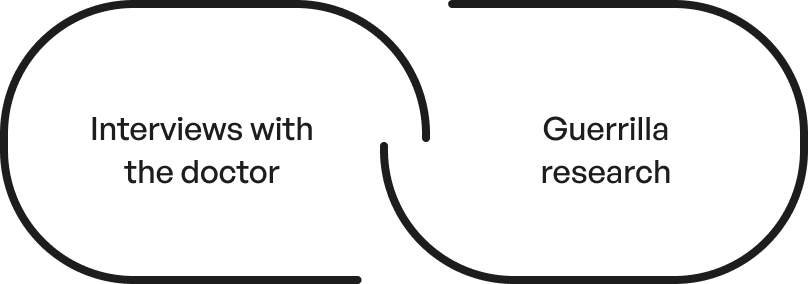
The primary insights came from structured discussions with the doctor, where I explored patient concerns, decision-making patterns and operational challenges specific to a small gynecology practice.
To complement this expert input, I conducted lightweight guerrilla research with a small group of women from my personal network. These informal sessions helped validate expectations around how patients look for gynecology services, what information they prioritise and where confusion typically appears.
👉 This combination of expert interviews and rapid qualitative validation provided a clear and balanced understanding of real user behaviours.
💡 Insights
Although the clinic was well known locally through recommendations, younger patients and people moving into the area had no accessible way to validate information or understand what the clinic offered.
Essential details such as schedule, prices and services were impossible to obtain without physically visiting the cabinet, creating unnecessary friction and uncertainty.
Branding Phase
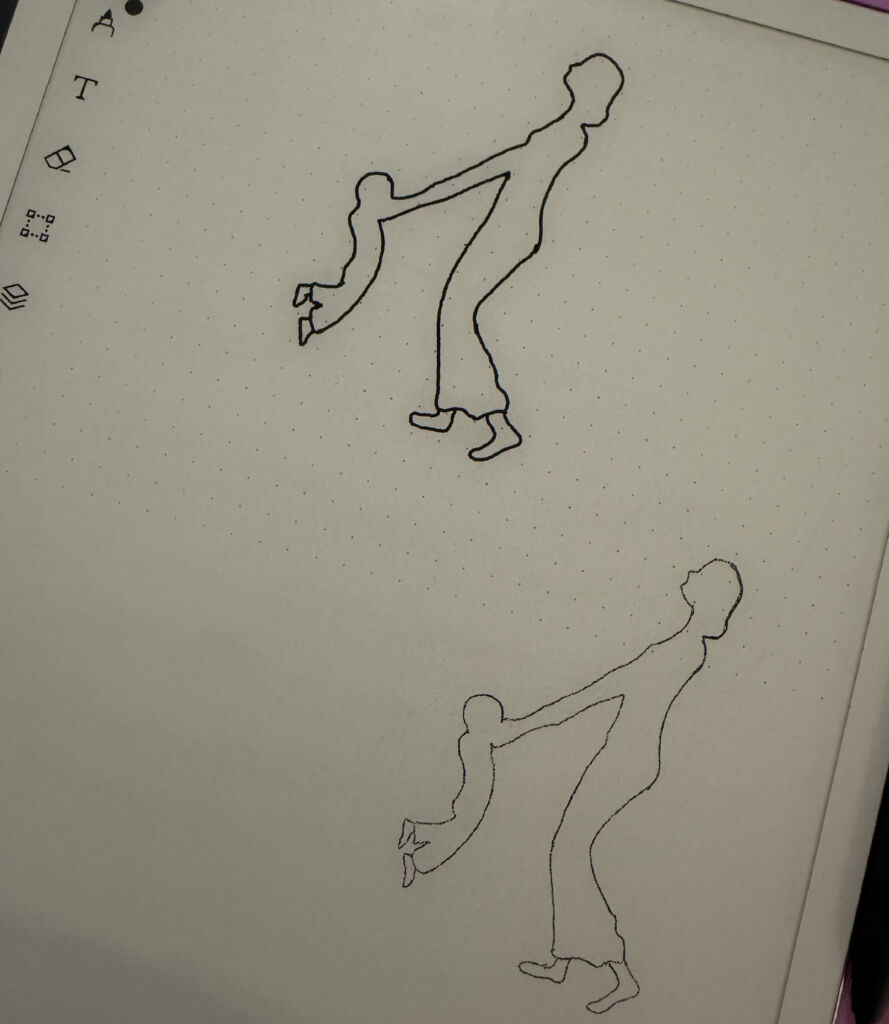
The clinic had never owned a visual identity. Through discussions, the doctor shared a symbolic statuette of a mother and child that held personal significance.
This became the conceptual foundation for the logomark, which visually represents care, protection, and the essence of gynecological practice.
Defining the Persona
Consolidating our research into one primary persona that represents the clinic’s core audience.
Ana, 28 – organised, cautious, information-driven
Ana is a young woman who wants to feel informed, safe and reassured when searching for gynecology services. Her main goal is to quickly understand what the clinic offers, verify the doctor’s credibility and get transparent details about prices and schedule before making an appointment.
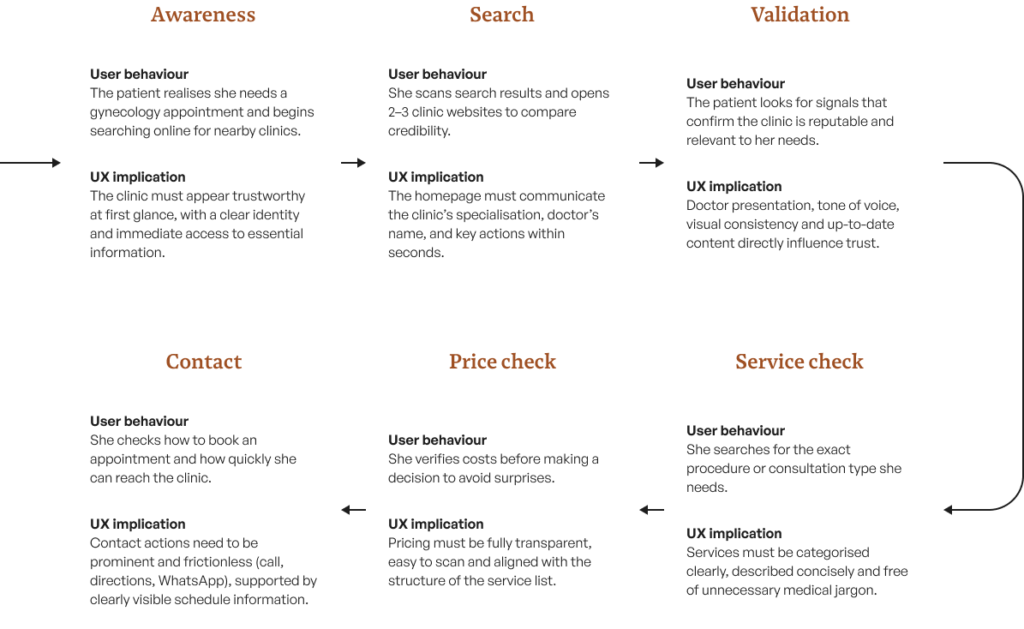
User Storyboarding
Mapping the patient’s pre-visit journey helped define the critical information flows and functional requirements of the MVP.
The process was broken down into clear stages to understand decision-making patterns and identify where lack of information created unnecessary friction.
Final Product
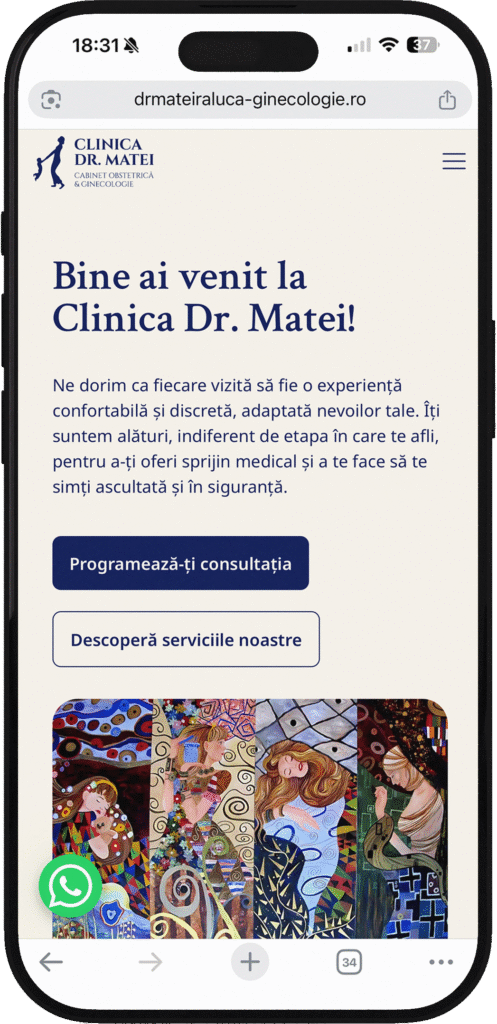
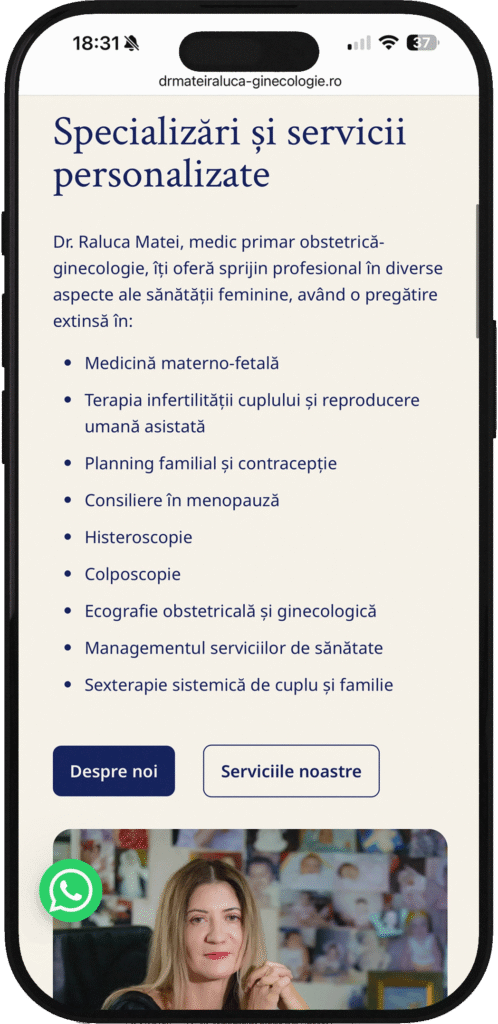
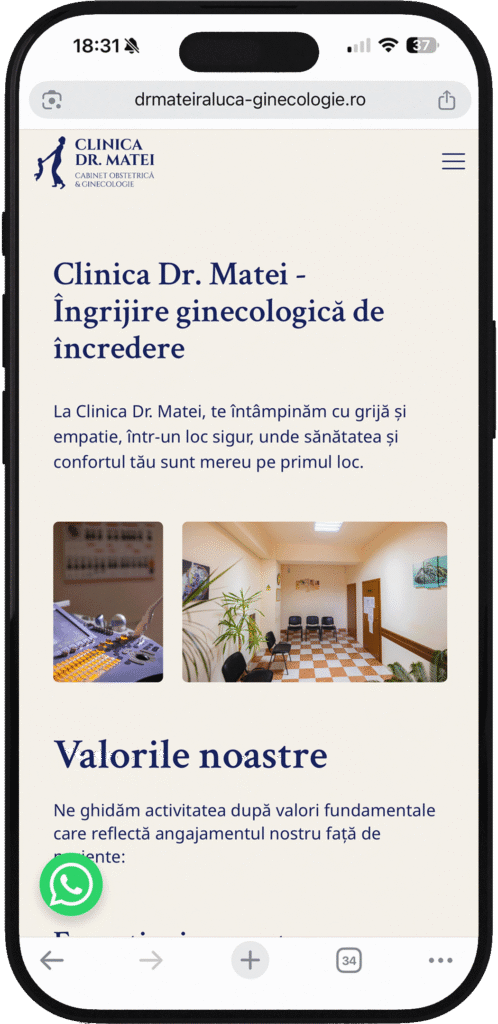
The website was developed in WordPress and optimized for responsive behavior, performance, and accessibility.
Elementor was configured to allow the client to manage content independently.
The final build ensures stability, clarity, and a maintainable structure.
Impact
Launching from zero online presence, the clinic achieved measurable visibility and engagement immediately after release.
Results in the first 28 days:
organic impressions
800
clicks generated
0
unique visitors
0
of traffic from organic search
60%
engagement on core pages
up to 60%
Strong session duration across key content:
2m 14s
Homepage
1m 04s
Price List
1m 56s
Contact
1m 26s
About
👉 Search behavior shifted significantly, with most queries now centered on the doctor’s name and relevant medical services, indicating growing trust and brand recognition.
Project takeaways
This project highlighted how transparency, structure and tone directly influence user trust in medical contexts. Building the identity around a meaningful symbol strengthened brand coherence and differentiated the clinic from typical local practices. Organizing services and pricing through card sorting significantly improved clarity and decision-making.
Working closely with the doctor ensured that the content remained medically accurate while maintaining an empathetic and accessible voice. The end result demonstrated that even a small independent clinic can achieve a premium, patient-centered digital presence when design decisions are grounded in real user needs and clear business goals.